Materials
- Home
- /
- Materials


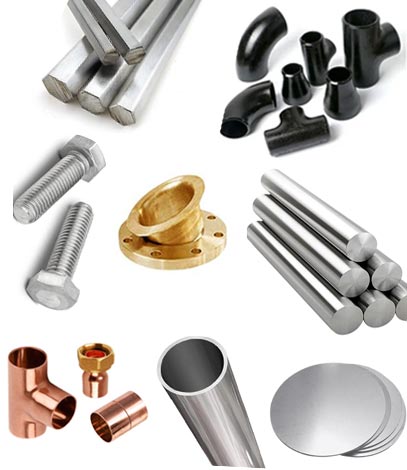
Stainless steel is a corrosion-resistant alloy of iron, chromium (minimum 10.5%), and other elements such as nickel, molybdenum, and carbon. Known for its high strength, durability, and aesthetic finish, stainless steel is widely used in construction, kitchenware, medical instruments, and industrial equipment. Its main appeal lies in its ability to resist rust and staining, making it ideal for applications where hygiene and corrosion resistance are critical. The chromium in the alloy forms a passive layer that self-heals if scratched, preserving its resistance to corrosion.
| Grade | Composition Highlights | Properties / Uses |
|---|---|---|
| 304 | 18% Cr, 8% Ni | Most common; corrosion-resistant; used in kitchen equipment |
| 316 | 16% Cr, 10% Ni, 2% Mo | Marine grade; better corrosion resistance (especially to salt) |
| 430 | 17% Cr, low Ni | Cheaper; used in decorative and low-corrosion environments |
| 410 | 11.5% Cr | Heat-treatable; used in cutlery and tools |
| 201 | Lower Ni, higher Mn | Economical; used in household items |
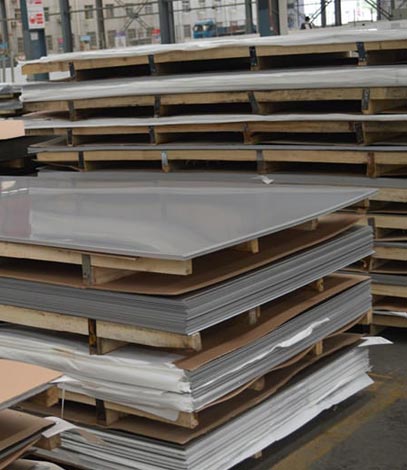
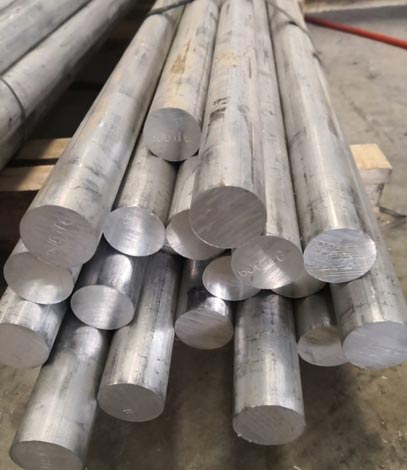
Aluminium is a lightweight, silver-white metal known for its excellent corrosion resistance, high strength-to-weight ratio, and good electrical and thermal conductivity. It is the most abundant metal in the Earth’s crust and is widely used in industries such as aerospace, transportation, construction, and packaging. Aluminium forms a natural oxide layer when exposed to air, which protects it from further oxidation. Its non-toxic, recyclable nature also makes it environmentally friendly. Although pure aluminium is soft and ductile, it is often alloyed with elements like copper, magnesium, silicon, and zinc to improve its mechanical properties and broaden its applications.
| Grade | Composition Highlights | Properties / Uses |
|---|---|---|
| 1050 | 99.5% pure aluminium | Excellent corrosion resistance, electrical conductivity; used in chemical and electrical applications |
| 2024 | Al-Cu alloy | High strength, lower corrosion resistance; used in aerospace structures |
| 5052 | Al-Mg alloy | Good corrosion resistance, weldability; used in marine and automotive applications |
| 6061 | Al-Mg-Si alloy | Versatile, corrosion-resistant, good machinability; used in structural components and frames |
| 7075 | Al-Zn-Cu-Mg alloy | Very high strength; used in aerospace and military-grade components |
Duplex steel is a type of stainless steel alloy that combines the characteristics of both austenitic and ferritic stainless steels. It typically contains roughly equal proportions of these two phases, providing a unique balance of strength, corrosion resistance, and toughness. Duplex steels are known for their excellent resistance to stress corrosion cracking, pitting, and crevice corrosion, making them ideal for harsh environments such as chemical processing, oil and gas, and marine applications. Additionally, duplex steels offer higher strength than conventional stainless steels, allowing for thinner and lighter components without compromising durability.
| Grade | Composition Highlights | Properties / Uses |
|---|---|---|
| 2205 | 22% Cr, 5-6% Ni, 3% Mo, 0.15% N | Most common duplex grade; excellent corrosion resistance and strength; widely used in chemical and marine industries |
| 2507 (Super Duplex) | 25% Cr, 7% Ni, 4% Mo, 0.3% N | Higher corrosion resistance and strength than 2205; used in highly aggressive environments like oil & gas and desalination plants |
| 2101 (Lean Duplex) | 21% Cr, 1.5% Ni, 0.3% Mo | Lower nickel content; economical alternative with good corrosion resistance; used in water treatment and general structural applications |
| 2304 | 23% Cr, 4.5% Ni | Good corrosion resistance and weldability; often used in architectural and food processing applications |
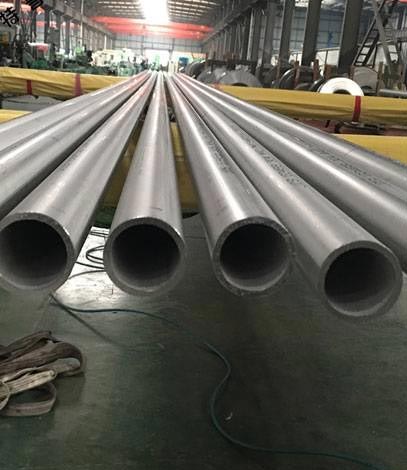
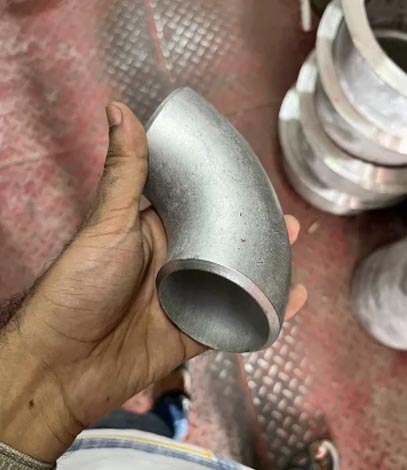
Super Duplex Steel is an advanced type of duplex stainless steel that contains higher amounts of chromium, molybdenum, and nitrogen compared to standard duplex grades. This composition gives it exceptional strength and outstanding resistance to chloride-induced corrosion such as pitting and crevice corrosion, as well as superior stress corrosion cracking resistance. Super Duplex steels are commonly used in the most demanding environments like offshore oil rigs, chemical processing plants, and desalination facilities. Their high performance allows for thinner components, reducing weight and cost without compromising durability.
| Grade | Composition Highlights | Properties / Uses |
|---|---|---|
| 2507 | 25% Cr, 7% Ni, 4% Mo, 0.3% N | Very high strength and corrosion resistance; used in harsh chemical, oil & gas, and marine environments |
| F55 | Similar to 2507 | Equivalent to UNS S32750; excellent resistance to stress corrosion cracking and pitting |
| 255 | 26% Cr, 7% Ni, 4% Mo, 0.24% N | High corrosion resistance, especially in seawater applications; used in marine and chemical industries |
Nickel alloys are metals primarily composed of nickel combined with elements like chromium, iron, copper, and molybdenum to enhance their mechanical properties and corrosion resistance. These alloys are known for their exceptional strength, toughness, and resistance to high temperatures and aggressive environments, including oxidation and corrosion in acidic or high-temperature conditions. Nickel alloys are widely used in aerospace, chemical processing, power generation, and marine industries due to their durability and ability to maintain structural integrity under extreme conditions. Common nickel alloys include Inconel, Monel, Hastelloy, and Nickel-Copper alloys, each tailored for specific applications.
| Grade | Composition Highlights | Properties / Uses |
|---|---|---|
| Inconel 625 | Ni 58%, Cr 20-23%, Mo 8-10%, Fe 5% | Excellent high-temperature strength and corrosion resistance; used in aerospace, chemical, and marine applications |
| Monel 400 | Ni 63%, Cu 28-34%, Fe 2.5% | Good corrosion resistance in seawater and acids; used in marine engineering and chemical processing |
| Hastelloy C-276 | Ni 57%, Mo 15%, Cr 16%, Fe 5% | Outstanding resistance to oxidizing and reducing agents; used in chemical reactors and pollution control |
| Nickel-Copper Alloy 400 | Ni 63%, Cu 28-34% | Corrosion resistant in seawater and harsh chemicals; used in marine hardware and chemical valves |
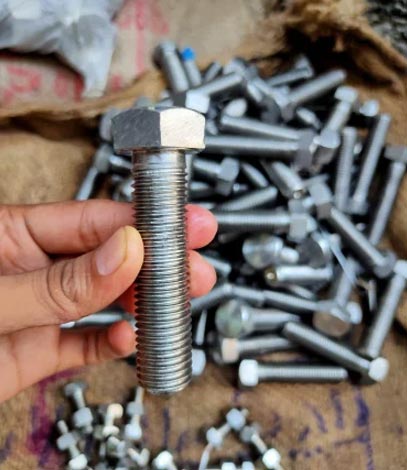
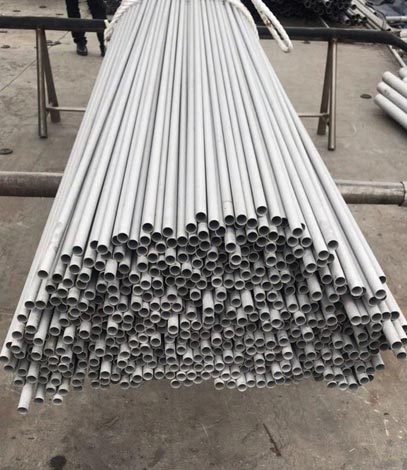
Monel is a family of corrosion-resistant metal alloys primarily composed of nickel (typically 60–70%) and copper (20–29%), with small amounts of iron, manganese, carbon, and silicon. Monel is known for its outstanding resistance to seawater, steam, salt, and acidic environments, making it ideal for marine, chemical, and oil and gas applications. It maintains strength and ductility over a wide temperature range and is also resistant to stress corrosion cracking and pitting. Despite being more expensive than stainless steel, Monel is favored in critical components where corrosion resistance and durability are essential.
| Grade | Composition Highlights | Properties / Uses |
|---|---|---|
| Monel 400 | Ni 63%, Cu 28-34%, Fe & Mn small amounts | Excellent resistance to seawater and acids; used in marine hardware, pumps, valves, and heat exchangers |
| Monel K-500 | Monel 400 + Al & Ti for age hardening | Higher strength and hardness; ideal for oil & gas applications, springs, and fasteners in corrosive environments |
Inconel is a trademarked name for a group of nickel-chromium-based superalloys known for their excellent resistance to extreme heat, pressure, and chemical corrosion. These alloys retain high mechanical strength and stability at elevated temperatures, making them ideal for aerospace, nuclear reactors, chemical processing, and marine environments. Inconel resists oxidation, carburization, and stress corrosion cracking, especially in aggressive environments. It's commonly used in turbine blades, exhaust systems, and heat exchangers. Different grades of Inconel offer specific properties tailored for strength, weldability, and corrosion resistance.
| Grade | Composition Highlights | Properties / Uses |
|---|---|---|
| Inconel 600 | Ni 72%, Cr 14-17%, Fe 6-10% | Good oxidation and corrosion resistance; used in furnace components and nuclear reactors |
| Inconel 625 | Ni 58%, Cr 20-23%, Mo 8-10%, Nb | High strength, fatigue resistance; ideal for marine, aerospace, and chemical processing applications |
| Inconel 718 | Ni 50-55%, Cr 17-21%, Fe, Nb, Mo, Ti | Precipitation-hardened; high strength and creep resistance; used in jet engines and turbines |
| Inconel X-750 | Ni 70%, Cr 15%, Fe, Ti, Al | High-temperature creep and oxidation resistance; used in gas turbines and nuclear reactors |
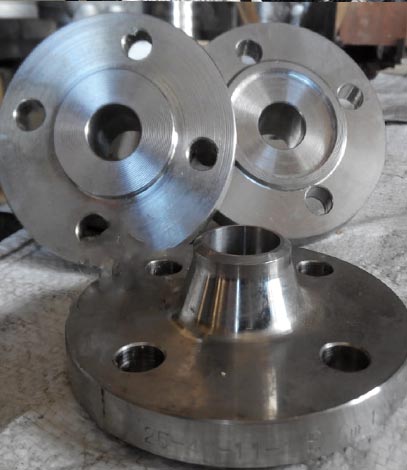
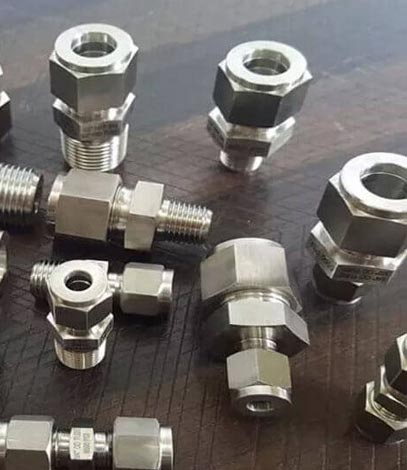
Titanium is a strong, lightweight metal known for its exceptional corrosion resistance, high strength-to-weight ratio, and biocompatibility. Though it’s as strong as steel, it is nearly 45% lighter and far more resistant to corrosion, especially in seawater and chlorine-rich environments. Titanium naturally forms a thin, stable oxide layer that protects it from further oxidation and corrosion. It is widely used in aerospace, medical implants, marine, and chemical processing industries. Titanium can withstand high temperatures and is non-toxic, making it especially useful in surgical instruments and implants.
| Grade | Composition Highlights | Properties / Uses |
|---|---|---|
| Grade 1 | Commercially pure titanium | Excellent corrosion resistance, good ductility; used in chemical processing and marine environments |
| Grade 2 | Commercially pure titanium | Most widely used; good strength, corrosion resistance; used in aerospace, automotive, and desalination |
| Grade 5 (Ti-6Al-4V) | 6% Aluminum, 4% Vanadium | High strength, lightweight, good corrosion resistance; used in aerospace, medical implants, and motorsports |
| Grade 7 | 0.2% Palladium | Superior corrosion resistance; used in chemical processing and high-temperature applications |
| Grade 23 (Ti-6Al-4V ELI) | 6% Aluminum, 4% Vanadium (Extra Low Interstitials) | High purity; used in medical implants due to excellent biocompatibility and fracture toughness |
Tungsten is a rare, dense, and incredibly strong metal known for having the highest melting point of all metals (3,422°C) and very high tensile strength. It is highly resistant to heat, wear, and corrosion, which makes it ideal for use in aerospace, defense, electronics, and industrial applications. Tungsten is also extremely dense (about 19.3 g/cm³), which is close to gold and uranium, and it maintains its hardness at elevated temperatures. Its brittleness in pure form is often improved by alloying or sintering with other metals.
| Grade | Composition Highlights | Properties / Uses |
|---|---|---|
| Pure Tungsten (W) | ≥99.95% Tungsten | High melting point, excellent thermal conductivity; used in lighting filaments, X-ray tubes, and electrodes |
| WCu (Tungsten-Copper) | 70–90% W, balance Cu | Good electrical conductivity and arc resistance; used in electrical contacts and heat sinks |
| WC (Tungsten Carbide) | Tungsten + Carbon (~6%) | Extreme hardness and wear resistance; used in cutting tools, drills, and wear parts |
| WL (Lanthanated Tungsten) | W + 1–2% La₂O₃ | Improved arc stability and lifespan; used in TIG welding electrodes |
| WTh (Thoriated Tungsten) | W + 1–2% ThO₂ | Stable arc, high emissivity; used in welding (now limited due to radioactivity) |
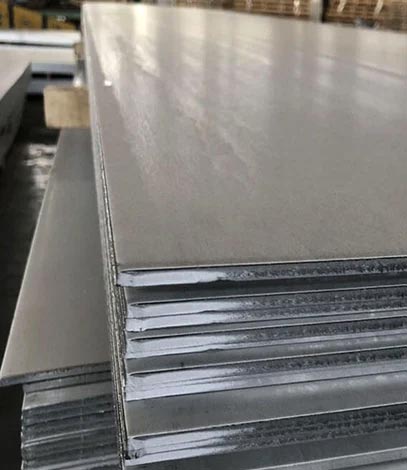
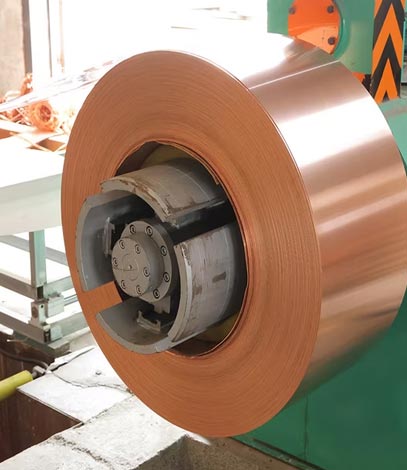
Beryllium Copper (BeCu) is a copper alloy that contains a small percentage of beryllium (usually 0.4–2%). It is known for its exceptional strength, non-sparking properties, excellent conductivity, and high fatigue and corrosion resistance. BeCu is one of the strongest copper-based alloys and can be heat-treated to achieve mechanical properties comparable to high-strength steels while retaining good electrical and thermal conductivity. It is commonly used in precision instruments, aerospace components, electrical connectors, springs, and non-sparking tools used in explosive environments (like oil rigs or munitions factories).
| Grade | Composition Highlights | Properties / Uses |
|---|---|---|
| C17200 (Alloy 25) | Be 1.8–2.0%, Cu balance | High strength after heat treatment, excellent conductivity; used in aerospace, connectors, springs |
| C17510 | Be 0.4–0.7%, Co 2.4–2.7% | High conductivity and moderate strength; used in spot welding tips, bushings, electrical contacts |
| C17500 | Be 0.4–0.7%, Ni 1.4–1.7% | Similar to C17510 but with nickel; better strength, slightly lower conductivity; used in heavy-duty applications |
| C17300 | Similar to C17200, with Pb for machinability | Excellent machinability, corrosion resistance; used in precision instruments and electronics |
Bimetallic materials are composed of two distinct metals bonded together to combine the beneficial properties of both. These metals are often joined through processes like cladding, welding, rolling, or explosive bonding. Bimetallic combinations are used when one metal offers excellent conductivity or corrosion resistance, while the other provides strength or structural support. This design strategy helps reduce material costs and enhance performance in demanding environments. Common applications include electrical connectors, bimetallic strips in thermostats, cookware, and pipeline linings. Some popular combinations are Copper-Aluminum, Steel-Copper, and Stainless Steel-Aluminum.
| Combination | Composition Highlights | Properties / Uses |
|---|---|---|
| Copper + Aluminum | Aluminum base with copper bonded layer | Good conductivity with reduced weight and cost; used in electrical terminals and overhead power lines |
| Steel + Copper | Steel core with copper cladding | High strength and corrosion resistance; used in grounding rods and contact tips |
| Aluminum + Stainless Steel | Clad or explosively bonded | Lightweight with corrosion resistance; used in cookware and structural applications |
| Brass + Steel | Steel base with brass surface | Used in decorative components and mechanical parts needing both appearance and strength |
| Bimetallic Thermostatic Strip | Two metals with different thermal expansion rates | Bends with temperature change; used in thermostats, circuit breakers, and thermal sensors |
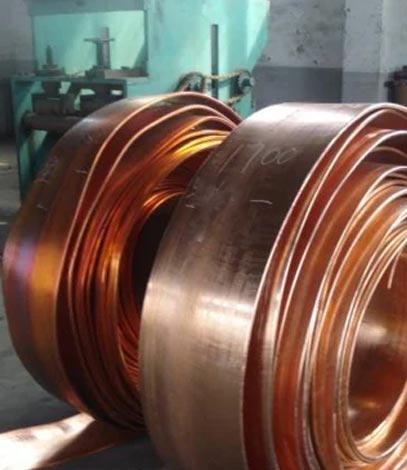
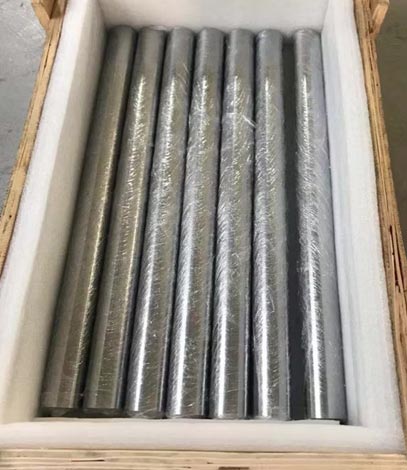
Molybdenum rods are solid, cylindrical forms of molybdenum metal, prized for their high melting point (2,623°C), excellent thermal and electrical conductivity, and resistance to corrosion and wear. These rods are used in high-temperature applications such as furnace components, semiconductor devices, aerospace parts, and nuclear reactors. Molybdenum also exhibits good mechanical strength at elevated temperatures and a low coefficient of thermal expansion, making it dimensionally stable in extreme environments. The rods are often manufactured via powder metallurgy and can be machined to tight tolerances.
| Grade | Composition Highlights | Properties / Uses |
|---|---|---|
| Pure Molybdenum | ≥99.95% Mo | High temperature strength and thermal conductivity; used in furnace parts, heat shields, and aerospace |
| Mo-La (Lanthanated Molybdenum) | Mo + 0.3–1.2% La₂O₃ | Improved ductility, creep resistance, and lifespan; used in high-temperature structural components |
| TZM (Titanium-Zirconium-Molybdenum) | Mo + 0.5% Ti, 0.08% Zr | Greater strength and recrystallization temperature; ideal for aerospace, die casting, and nuclear applications |
| Mo-Re (Molybdenum-Rhenium) | Mo + 41–47.5% Re | Enhanced ductility and strength; used in electronics, thermocouples, and medical imaging |
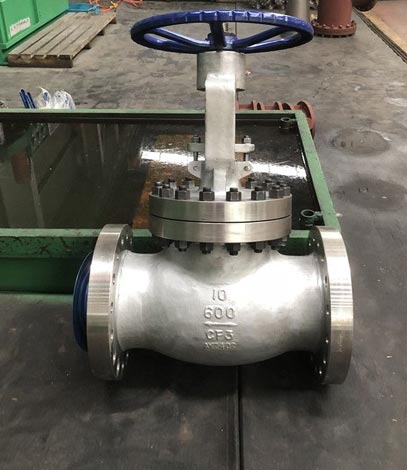
Hastelloy is a registered trademark name for a family of corrosion-resistant metal alloys primarily composed of nickel with varying amounts of molybdenum, chromium, iron, and cobalt. These alloys are specifically designed for extreme chemical environments, offering outstanding resistance to oxidizing and reducing agents, chloride-induced pitting, stress corrosion cracking, and acid corrosion. Hastelloy is commonly used in chemical processing, aerospace, marine, and nuclear applications. Among its many grades, Hastelloy C-276, C-22, and X are some of the most widely used, each tailored for specific industrial demands.
| Grade | Composition Highlights | Properties / Uses |
|---|---|---|
| Hastelloy C-276 | Ni 57%, Mo 15–17%, Cr 14.5–16.5%, Fe 4–7% | Outstanding resistance to a wide range of acids; used in chemical reactors, pollution control, and marine environments |
| Hastelloy C-22 | Ni 56%, Cr 20–22.5%, Mo 12.5–14.5%, Fe 2–6% | Superior corrosion resistance compared to C-276; ideal for pharmaceutical and chemical process industries |
| Hastelloy X | Ni 47%, Cr 21.5%, Fe 18%, Mo 9% | High strength at elevated temperatures; used in aerospace, gas turbines, and heat exchangers |
| Hastelloy B-2 | Ni 69%, Mo 28–30%, Fe <2%, Cr <1% | Excellent resistance to hydrochloric acid; used in chemical processing and pickling operations |
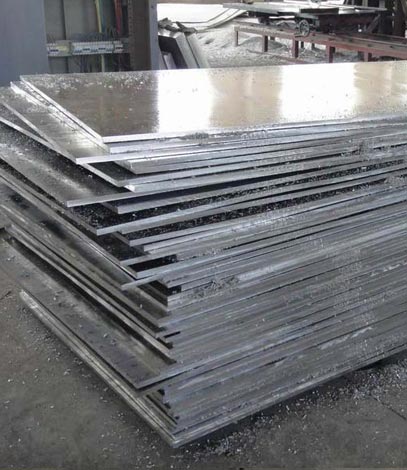
Magnesium AZ31 (also known as AZ31B) is one of the most commonly used magnesium alloys, composed primarily of magnesium (~96%), aluminum (~3%), and zinc (~1%). It is known for being exceptionally lightweight, with a high strength-to-weight ratio, good machinability, and excellent corrosion resistance under atmospheric conditions. AZ31B is typically used in plate or sheet form for aerospace, automotive, electronics, defense, and biomedical applications. Although it is less formable at room temperature, it exhibits good performance when hot worked or annealed. AZ31B also has electromagnetic shielding capabilities, making it valuable in electrical housing and precision instruments.
| Designation | Composition Highlights | Properties / Uses |
|---|---|---|
| AZ31 | Mg ~96%, Al ~3%, Zn ~1% | Good strength, corrosion resistance, weldability; used in aerospace structures, brackets, and housings |
| AZ31B-H24 | Strain hardened & partially annealed | Increased strength with limited formability; used in machined and stamped parts |
| AZ31B-O | Annealed condition | Good formability and moderate strength; ideal for deep drawing and forming applications |
| AZ31B-F | As fabricated | No mechanical processing; used where strength and formability are not critical |
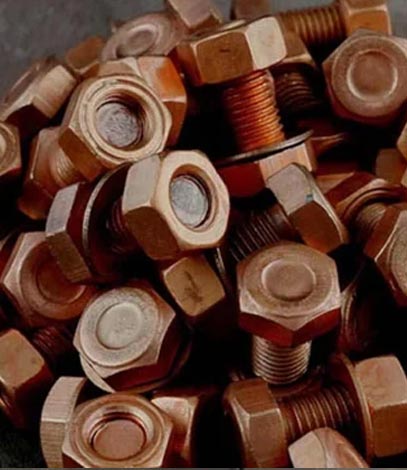
Cupro Nickel (also spelled Cupronickel) is an alloy of copper and nickel, with common additions of iron and manganese to enhance strength and corrosion resistance. These alloys are known for their excellent resistance to seawater corrosion, good thermal stability, and antimicrobial properties, making them highly suitable for marine, offshore, and desalination applications. Cupro Nickel retains its mechanical integrity under high pressure and temperature and resists biofouling, which is why it's widely used in ship hulls, heat exchangers, condenser tubes, and coinage. The two most commonly used grades are 90/10 and 70/30.
| Grade | Composition Highlights | Properties / Uses |
|---|---|---|
| CuNi 90/10 (C70600) | 90% Cu, 10% Ni, with Fe & Mn | Good corrosion resistance and workability; used in seawater piping, marine fittings, and coinage |
| CuNi 70/30 (C71500) | 70% Cu, 30% Ni, with Fe & Mn | Higher strength and corrosion resistance than 90/10; ideal for heat exchangers, condensers, and offshore platforms |
| CuNi 66/30/2 (C71640) | 66% Cu, 30% Ni, 2% Fe | Improved erosion and cavitation resistance; used in naval and heavy-duty marine applications |
| CuNi 75/25 (Special Grade) | 75% Cu, 25% Ni | High electrical resistivity and corrosion resistance; used in thermocouples, resistors, and instrumentation |
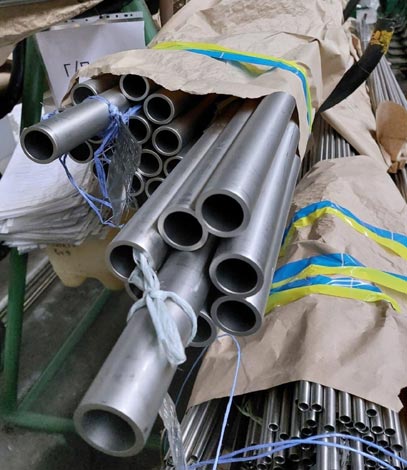
SMO 254 is a high-performance austenitic stainless steel alloy designed for exceptional resistance to pitting, crevice corrosion, and stress corrosion cracking in highly aggressive chloride environments. It contains high levels of molybdenum (around 6%), nitrogen, and chromium, making it especially suitable for chemical processing, seawater applications, and marine environments. SMO 254 also offers excellent strength and oxidation resistance at elevated temperatures. This alloy is commonly used in heat exchangers, piping systems, chemical reactors, and desalination plants where both corrosion resistance and mechanical performance are critical.
| Property | Specification / Composition | Notes / Uses |
|---|---|---|
| Chromium (Cr) | 20–22% | Provides corrosion resistance and oxidation stability |
| Molybdenum (Mo) | 6.0–6.5% | Enhances resistance to pitting and crevice corrosion |
| Nitrogen (N) | 0.2–0.25% | Improves strength and corrosion resistance |
| Nickel (Ni) | 17–19% | Stabilizes austenitic structure, improves toughness |
| Iron (Fe) | Balance | Main matrix of the alloy |
Molybdenum (Mo) is a refractory metal known for its very high melting point (2,623°C), excellent strength at elevated temperatures, and good thermal and electrical conductivity. It has outstanding resistance to corrosion, especially against acids, and maintains mechanical stability under extreme heat. Because of these properties, molybdenum is widely used in aerospace, electronics, nuclear reactors, and industrial furnace components. It is often alloyed with other metals (like steel) to improve hardness, strength, and resistance to wear and corrosion. Pure molybdenum is brittle at room temperature but becomes ductile at higher temperatures.
| Grade | Composition Highlights | Properties / Uses |
|---|---|---|
| Pure Molybdenum | ≥99.95% Mo | High melting point, excellent thermal conductivity; used in furnace parts, electronics, aerospace |
| TZM (Titanium-Zirconium-Molybdenum) | Mo + 0.5% Ti, 0.08% Zr | Improved strength and creep resistance at high temperatures; used in aerospace and die casting |
| Mo-La (Lanthanated Molybdenum) | Mo + 0.3–1.2% La₂O₃ | Enhanced ductility and lifespan; used in high-temp structural parts |
| Mo-Re (Molybdenum-Rhenium) | Mo + 41–47.5% Re | Increased ductility and strength; used in medical imaging, electronics, thermocouples |
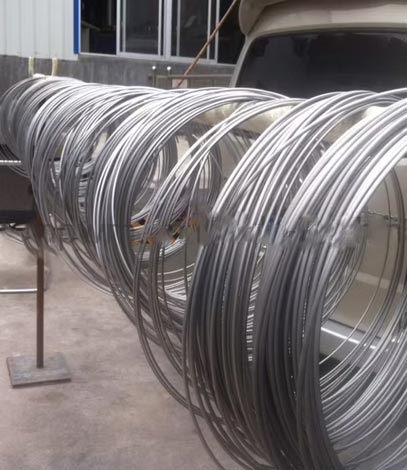
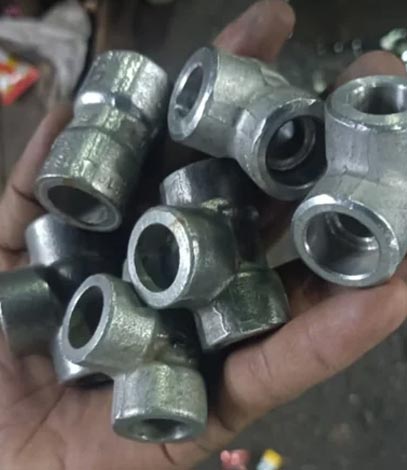
Alloy 20 is a high-performance austenitic stainless steel alloy specially designed for excellent corrosion resistance in strong reducing environments, particularly those containing sulfuric acid. It contains high amounts of nickel (32-38%), chromium (19-21%), and molybdenum (2-3%), with small additions of copper (3-4%) to improve resistance to sulfuric acid. Alloy 20 also resists pitting and stress corrosion cracking, making it a popular choice in the chemical processing, pharmaceutical, and food processing industries. It is often used for heat exchangers, reactors, valves, pumps, and mixing equipment where strong acids are involved.
| Property | Specification / Composition | Notes / Uses |
|---|---|---|
| Nickel (Ni) | 32–38% | Provides corrosion resistance and toughness |
| Chromium (Cr) | 19–21% | Enhances oxidation resistance and strength |
| Molybdenum (Mo) | 2–3% | Improves resistance to pitting and crevice corrosion |
| Copper (Cu) | 3–4% | Increases resistance to sulfuric acid |
| Iron (Fe) | Balance | Main matrix of the alloy |
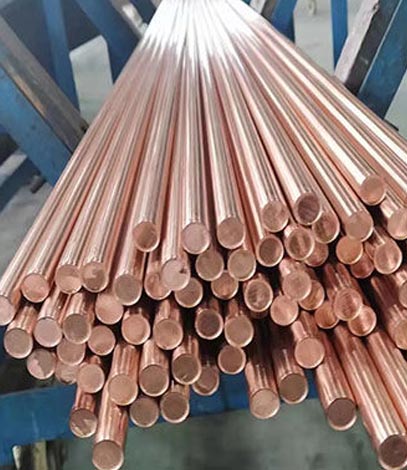
Brass is an alloy primarily composed of copper and zinc, with varying zinc content typically between 5% and 40%. Brass rods are prized for their excellent machinability, corrosion resistance, and attractive gold-like appearance. They are widely used in decorative applications, plumbing fittings, musical instruments, and mechanical components. Different types of brass (such as yellow brass, red brass, and naval brass) offer varied properties, including strength and corrosion resistance. Copper rods are made of nearly pure copper and are known for their superior electrical and thermal conductivity, excellent corrosion resistance, and ductility. Copper rods find applications in electrical wiring, grounding systems, heat exchangers, and manufacturing of various components that require high conductivity and corrosion resistance.
| Material | Composition Highlights | Properties / Uses |
|---|---|---|
| Yellow Brass | Cu ~60-70%, Zn ~30-40% | Good strength and machinability; used in plumbing, valves, and gears |
| Red Brass (Gunmetal) | Cu ~85%, Zn ~5%, Sn ~5%, Pb ~5% | Excellent corrosion resistance; used in marine fittings and architectural applications |
| Naval Brass | Cu ~60%, Zn ~39%, Sn ~1% | High corrosion resistance in seawater; used in shipbuilding and marine hardware |
| Electrolytic Tough Pitch Copper (ETP) | ≥99.9% Cu | High electrical and thermal conductivity; used in electrical wiring and components |
| Oxygen-Free Copper (OFHC) | ≥99.99% Cu | Superior conductivity and ductility; used in high-end electrical and electronic applications |
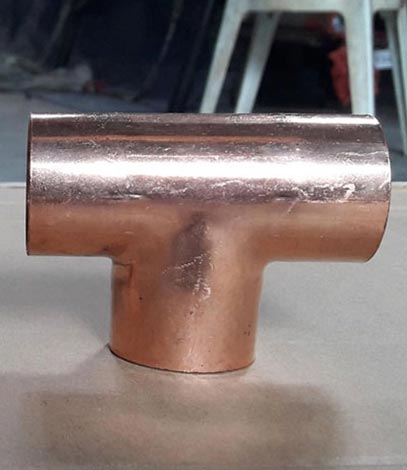
Copper fittings are components used to join, terminate, control flow, or change the direction of copper piping systems. Known for their excellent corrosion resistance, durability, and thermal conductivity, copper fittings are widely used in plumbing, heating, cooling, and refrigeration systems. They provide leak-proof joints and can be joined using soldering, brazing, compression, or push-fit methods. Copper fittings come in various shapes and types such as elbows, tees, couplings, reducers, caps, and unions, designed to accommodate different piping layouts and flow requirements. Due to copper’s natural antimicrobial properties, these fittings are also favored in potable water systems.
| Type | Description | Common Uses |
|---|---|---|
| Elbow | Changes the direction of piping, commonly 45° or 90° angles | Plumbing systems, HVAC, refrigeration |
| Tee | Connects three pipes, forming a 'T' shape | Branching flow lines in plumbing and heating |
| Coupling | Joins two straight pipes of the same diameter | Extending pipe runs or repairing sections |
| Reducer | Connects pipes of different diameters | Transition between pipe sizes in plumbing or HVAC |
| Cap | Closes the end of a pipe | Sealing pipe ends or for future expansion |
| Union | Removable connection between two pipes | Maintenance and repair requiring disassembly |
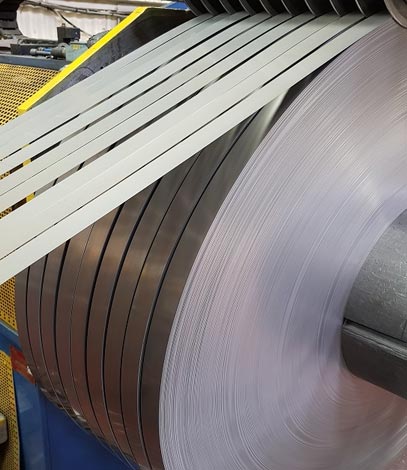
Spring steel strips are high-carbon or alloy steels known for their exceptional elasticity, tensile strength, and durability. These steels can undergo significant deformation and return to their original shape without permanent distortion, making them ideal for manufacturing springs, clips, blades, and precision tools. Spring steel strips are typically produced through cold rolling or tempering processes to achieve the desired hardness and flexibility. They find extensive use in automotive suspension systems, industrial machinery, aerospace components, and electrical contacts.
| Grade | Composition Highlights | Properties / Uses |
|---|---|---|
| 1095 | High carbon (~0.95% C) | Excellent hardness and wear resistance; used in springs, blades, and knives |
| 1074/1075 | Medium-high carbon (~0.74-0.75% C) | Good balance of strength and ductility; common for automotive springs |
| 5160 | Carbon ~0.6%, Chromium ~0.8-1.1% | High toughness and fatigue resistance; used in heavy-duty springs and leaf springs |
| SUP9 | Carbon ~0.55-0.65%, Silicon, Manganese | Japanese standard spring steel with good elasticity; used in precision springs |
| 60Si2Mn | Carbon ~0.55-0.65%, Silicon, Manganese | High strength and fatigue resistance; widely used in China and Asia for springs |
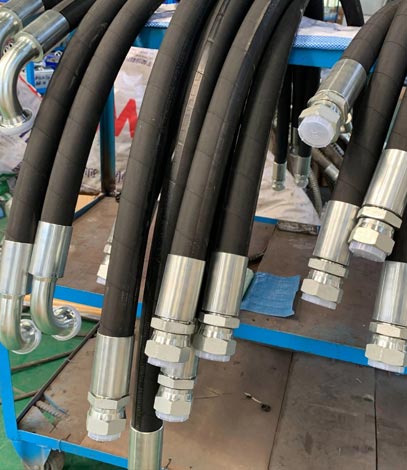
Hose pipe fittings are connectors used to join, control, or terminate flexible hoses in fluid or air transfer systems. They provide leak-proof, durable connections that withstand pressure, vibration, and environmental exposure. Hose fittings come in a variety of materials including brass, stainless steel, plastic, and aluminum, chosen based on the application’s chemical compatibility, pressure, and temperature requirements. Common connection types include threaded, barbed, quick-connect, and flanged fittings. They find widespread use in industrial, automotive, hydraulic, pneumatic, and agricultural applications.
| Type | Description | Common Uses |
|---|---|---|
| Barbed Fittings | Fittings with ridges that grip the inside of the hose | Low-pressure fluid and air lines |
| Compression Fittings | Uses a ferrule and nut to compress and seal the hose | Plumbing, hydraulic systems |
| Quick-Connect Couplings | Enables fast and easy hose connection/disconnection without tools | Hydraulics, pneumatic tools |
| Threaded Fittings | Standard male/female threads for hose or pipe connections | General fluid transfer, industrial piping |
| Flanged Fittings | Fittings with flange plates bolted together for secure connections | High-pressure, large diameter hoses |
Carbon steel is an alloy primarily composed of iron and carbon, with the carbon content ranging from very low (up to 0.3%) to high (over 1.0%). It is the most widely used steel due to its strength, durability, and affordability. Carbon steel grades are classified based on their carbon content as low, medium, and high carbon steels, each offering different properties suited to various applications. Low carbon steels are ductile and easily welded, commonly used in construction and automotive parts. Medium carbon steels offer a balance of strength and ductility, suitable for machinery and structural components. High carbon steels are very hard and strong but less ductile, often used for cutting tools, springs, and wear-resistant applications. Carbon steel is susceptible to corrosion unless properly coated or alloyed.
| Grade | Carbon Content | Properties / Uses |
|---|---|---|
| Low Carbon Steel (e.g., AISI 1018) | 0.15–0.30% | Good ductility and weldability; used in construction, automotive panels, and pipelines |
| Medium Carbon Steel (e.g., AISI 1045) | 0.30–0.60% | Balanced strength and ductility; used in shafts, gears, and structural components |
| High Carbon Steel (e.g., AISI 1095) | 0.60–1.00% | High hardness and wear resistance; used in cutting tools, springs, and blades |
| Ultra High Carbon Steel | Above 1.0% | Extremely hard and brittle; used for specialized tools and knives |
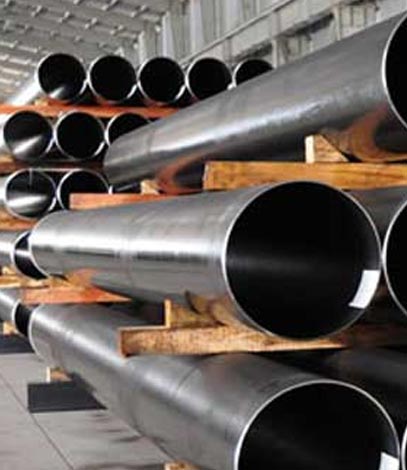
Tantalum (Ta) is a rare, hard, blue-gray, corrosion-resistant transition metal known for its excellent resistance to chemical attack, especially by acids like hydrochloric and sulfuric acid. It has a very high melting point (about 3017°C) and exceptional biocompatibility, making it widely used in chemical processing equipment, medical implants, and electronics such as capacitors. Tantalum's stability in extreme environments and good ductility allow it to be formed into sheets, wires, and tubes. It is especially favored in the aerospace and nuclear industries due to its strength and corrosion resistance.
| Grade | Purity / Composition | Properties / Uses |
|---|---|---|
| Commercial Grade Tantalum | ≥99.9% Ta | General corrosion resistance; used in chemical reactors and piping |
| High Purity Tantalum | >99.99% Ta | Used in electronics (capacitors), medical implants, and vacuum furnace parts |
| Tantalum Alloy (Ta-10W) | Tantalum with 10% Tungsten | Improved mechanical strength and high-temperature stability |
| Tantalum Carbide | Ta combined with Carbon | Extremely hard; used for cutting tools and wear-resistant coatings |